Office Clearance Paddington Health & Safety Policy
 This Health and Safety policy sets out the commitments and practical measures that govern Office Clearance Paddington operations carried out by our rubbish removal and clearance team. It describes responsibilities, risk control processes and safety precautions to ensure staff, visitors and clients are protected during all stages of commercial clearance and office waste removal. The policy applies to site surveys, packing, loading, transport and disposal, and is designed to be compatible with standard industry requirements while remaining concise for operational use.
The policy emphasizes that safety is a shared responsibility: management will provide leadership, adequate resources and training while every member of staff must follow procedures and report hazards. Clear communication about hazards and controls is mandatory at project start and throughout an office relocation or clearance. A core goal is to reduce manual handling injuries, slips and trips, exposure to hazardous materials and any incidents associated with vehicle movements during rubbish collection and office clearance services.
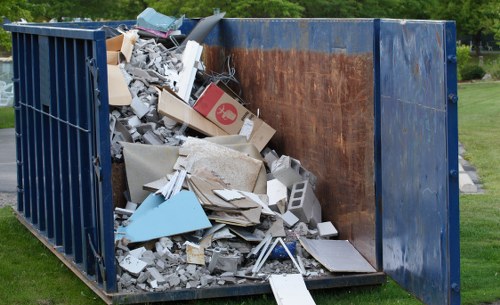 Risk assessment is central to safe working. Before work begins, a competent assessor will record site conditions, identify physical hazards (unstable furniture, loose flooring, tight access) and potential waste risks (electrical items, confidential paper, liquids and chemicals). Controls will be applied using the hierarchy of control: eliminate hazards where possible, substitute risky methods, apply engineering and administrative controls, and ensure appropriate personal protective equipment (PPE) is used. Assessment records will be retained for review and audit.
Operational planning includes clear role definitions. Key duties include the following:
- Managers ensure risk assessments, safe systems of work, and emergency procedures are in place;
- Supervisors coordinate daily activities, brief teams, and monitor compliance;
- Operatives undertake tasks according to method statements and report unsafe conditions immediately.
 Manual handling and lifting controls are crucial for office clearance and rubbish removal. Mechanical aids (trolleys, sack trucks, ramps and hoists) are provided and used whenever practicable. When manual lifting cannot be avoided, trained staff will follow safe lifting techniques and work in teams for heavy or bulky items. Special handling procedures are defined for fragile or bulky furniture, IT equipment and items containing confidential information to prevent damage and reduce the risk of injury.
Waste segregation and disposal procedures align with environmental and safety obligations. Recyclable materials are separated from general waste; electrical and electronic equipment (WEEE) is handled per recommended standards; hazardous substances such as batteries, fluorescent tubes and chemicals are identified and isolated for appropriate disposal. Staff are instructed in correct bagging, labeling and containment to avoid contamination or exposure during transportation by the rubbish company.
Control Measures and Protective Equipment
Appropriate PPE must be worn at all times on-site where tasks demand it. This includes high-visibility clothing, safety boots, gloves and eye protection. Respiratory protection is available where dust or fumes are likely. Regular inspection and replacement of PPE ensure ongoing effectiveness. Equipment checks for vehicles, lifting devices and hand tools are scheduled and documented to maintain operational safety during Paddington office clearance and similar rubbish removal services.
Electrical safety is actively managed: portable appliances are PAT tested when required, power leads are inspected before use, and live working is avoided. Lock-out/tag-out procedures are implemented when decommissioning electrical systems. If suspected hazardous materials (asbestos, unknown chemicals) are encountered, work stops and specialist advice is sought; the scene is made safe and reported to management.
Emergency Procedures, First Aid and Incident Reporting
Emergency response arrangements include accessible first aid supplies, trained first-aiders and clear procedures for medical emergencies, fire and spillage incidents. All incidents, near misses and unsafe conditions must be reported immediately to enable investigation and corrective action. Records of incidents feed into regular safety reviews and continuous improvement of the office clearance operation.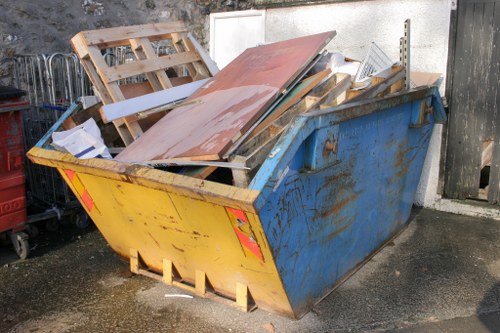 Training and competency form a cornerstone of the policy. New staff receive induction covering site rules, manual handling, waste segregation and vehicle safety. Ongoing training covers changes to regulations, new equipment and updated procedures. Supervision is increased for unfamiliar sites or complex clearances, and refresher training is scheduled based on risk profile.
Monitoring, audit and review processes are in place to validate compliance and effectiveness. Routine site checks, toolbox talks and periodic audits measure adherence to safe systems. Performance indicators such as incident rates, near-miss reports and audit findings guide management decisions. Policy review occurs annually or sooner if significant operational changes or legislative updates occur.
 This health and safety policy is intended to support safe, reliable and environmentally responsible office clearance operations within our service area. It is written to be accessible and actionable for staff, contractors and clients involved in rubbish removal and commercial clearance activities. Commitment to continuous improvement ensures that lessons learned from operations inform training, procedures and controls so that office clearance projects are completed safely and efficiently.
Scope and applicability: This policy applies to all office clearance and rubbish removal activities carried out by the organisation and its contractors. It should be read alongside task-specific method statements and operational instructions for particular sites and projects.
Review date: This policy will be reviewed at least annually and updated to reflect procedural changes, new equipment or relevant legal requirements.
