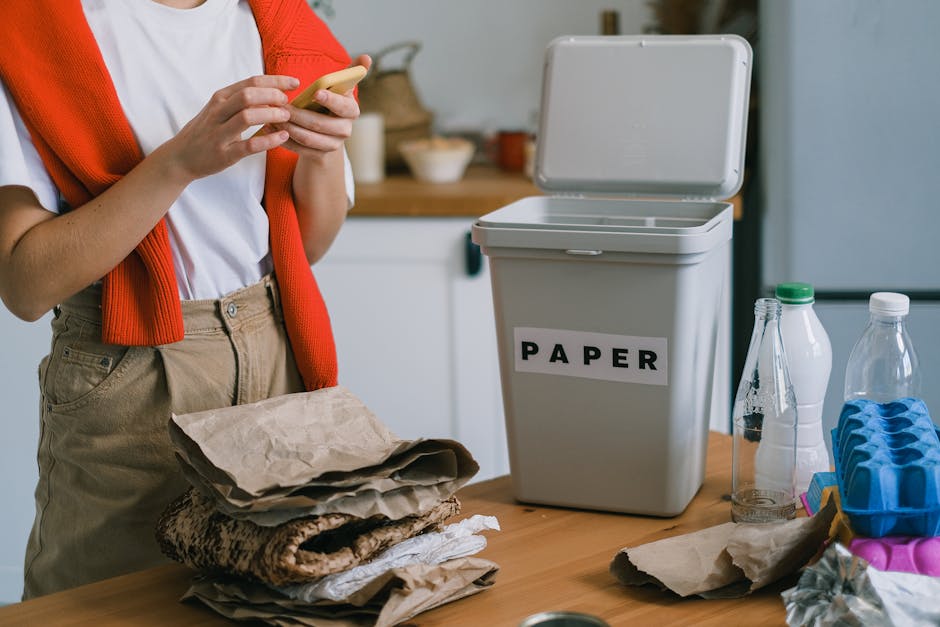
What Westminster Council accepts for household waste in Paddington
If you live in Paddington, figuring out what goes in the council bin sounds simple until you're standing in the kitchen with a broken mug, a greasy pizza box, and a bag of mystery bits that don't quite fit anywhere. That's usually when the questions start. What Westminster Council accepts for household waste in Paddington depends on the type of item, whether it can be recycled, and how clean or safe it is for collection. Get it right and your rubbish leaves the area efficiently. Get it wrong, and you can end up with missed collections, contaminated recycling, or a bin that seems to fill up far too fast.
This guide breaks the subject down in plain English. You'll find what Westminster Council typically accepts for household waste, what should stay out, how to sort things properly, and what to do with awkward items that never seem to fit neatly into any bin. We'll also cover practical steps, common mistakes, local best practice, and a realistic example from everyday Paddington life. Useful stuff, not fluff.
Table of Contents
- Why it matters
- How it works
- Key benefits and practical advantages
- Who this is for and when it makes sense
- Step-by-step guidance
- Expert tips for better results
- Common mistakes to avoid
- Tools, resources and recommendations
- Law, compliance, standards, or best practice
- Options, methods, or comparison table
- Case study or real-world example
- Practical checklist
- Conclusion
- Frequently asked questions
Why What Westminster Council accepts for household waste in Paddington Matters
Waste rules are one of those everyday things that only become obvious when something goes wrong. A recycling bag gets left behind. The wrong item ends up in the wrong container. Or you realise too late that the bulky thing at the front door is not going out with the normal household bin. In Paddington, that matters because space is tight, collections are scheduled, and household waste needs to be handled in a way that keeps streets cleaner and services moving smoothly.
Knowing what Westminster Council accepts for household waste helps you avoid contamination, which is just a polite way of saying one wrong item can spoil a whole load. A dirty takeaway container mixed into recyclables, for example, may seem minor. Yet in a real collection system, those little errors add up. Truth be told, they're usually what makes people feel their recycling "doesn't work". It does work better when everyone sorts a bit more carefully.
There's also a practical side. If you understand the difference between general waste, dry recycling, food waste, garden waste, and special disposal routes, you spend less time guessing and less money dealing with avoidable mistakes. That's especially helpful in flats, managed properties, and busy households where bins are shared or storage is limited.
For readers who are also looking at broader waste management support, the wider guidance on recycling and sustainability can help you build better habits around everyday disposal and reduce what ends up in general waste.
How What Westminster Council accepts for household waste in Paddington Works
At a basic level, Westminster Council expects household waste to be separated into the right streams before collection. The exact format can vary by property type, but the logic is usually the same: put general rubbish in the residual waste container, recyclables in the recycling stream, and anything hazardous or specialist through the correct route. Paddington residents often live in flats, mansion blocks, converted houses, or managed estates, so the collection arrangements can feel a little different from one address to another.
Here's the simple version. Councils generally accept standard domestic items that are clean enough, safe enough, and suitable for the collection system being used. That can include everyday packaging, paper, card, food scraps in the right collection, and normal household rubbish. What they typically do not want is anything that creates safety problems, damages the collection process, or contaminates other material. That includes many electrical items, sharp objects, loose liquids, asbestos, medical waste, and certain bulky or hazardous items.
In real life, the best approach is to treat waste sorting as a small routine rather than a one-off chore. A kitchen caddy, one recycling box, one general waste bin, and a little habit of flattening cardboard can make a big difference. Not glamorous, I know. But it works.
If you're dealing with a larger clear-out or need help moving mixed items responsibly, it can be worth looking at local service support such as office clearance and waste removal in Paddington, especially where household and office items overlap during a move or home workspace tidy-up.
Typical household waste streams you'll encounter
- General waste: non-recyclable everyday rubbish such as wrappers, tissues, broken mixed-material items, and heavily soiled waste.
- Recycling: clean paper, cardboard, cans, certain plastics, and glass where collected locally.
- Food waste: leftovers, peelings, tea bags, and other kitchen scraps if your property has a separate food waste service.
- Bulky items: larger household items that usually need separate booking or collection arrangements.
- Special waste: electricals, batteries, chemicals, and other items that need dedicated disposal methods.
Key Benefits and Practical Advantages
Knowing what Westminster Council accepts for household waste in Paddington is not just about staying tidy. It has some very real benefits, especially if you live in a busy part of London where bins fill quickly and missed collections are a pain.
First, you reduce rejected bins. If the collection team spots the wrong material in a recycling container, the whole load may be left or diverted. That creates hassle for everyone in the building.
Second, you save space. A lot of Paddington homes do not have endless bin room. Sorting properly means you can make better use of each container. Flattened cardboard alone can transform a packed bin into something manageable.
Third, you cut down on odours and mess. Food waste mixed with other rubbish can quickly become unpleasant, especially in warm weather. A little organisation stops that sour smell from building up by Thursday. We've all been there.
Fourth, you support better recycling outcomes. Clean, well-sorted materials are more likely to be processed correctly. That is the whole point, after all.
Fifth, you make future clear-outs easier. When you already know what belongs where, decluttering the kitchen, storage cupboard, or spare room takes less time and less stress.
If you're comparing service options for a clear-out or larger disposal job, the pricing and quotes page is a sensible place to get a clearer picture of what support might cost, especially when mixed waste needs sorting before removal.
Expert summary: The easiest way to stay on the right side of Westminster's household waste rules is to separate clean recyclables from general rubbish, keep hazardous items out of domestic bins, and use specialist collection routes for anything bulky, sharp, or electrical. Simple, but very effective.
Who This Is For and When It Makes Sense
This guide is for anyone in Paddington who has household waste to dispose of and wants to do it properly without overthinking it. That includes long-term residents, tenants, landlords, flat sharers, building managers, and people who are just trying to get through a weekend declutter without causing a bin-day drama.
It makes particular sense if you:
- live in a flat with limited bin storage
- share waste facilities with neighbours
- are sorting waste after a move, renovation, or room clear-out
- regularly deal with packaging from online deliveries
- have food waste and recycling that gets mixed up by accident
- need to dispose of larger or awkward household items responsibly
It also helps if you manage a property and want to set a cleaner standard for residents or contractors. A small amount of upfront clarity saves an awful lot of back-and-forth later. And yes, people do notice when the bins are under control.
For households that need extra reassurance around handling materials safely, it can also be useful to review the company's health and safety policy and insurance and safety information before arranging any larger removal work.
Step-by-Step Guidance
Here's a practical way to think through what Westminster Council accepts for household waste in Paddington without making it feel like homework.
- Separate your waste into clear piles. Put recyclables, food waste, and general rubbish into different groups before you start moving anything to the bins.
- Check whether the item is clean enough to recycle. A rinsed can is usually very different from a food-covered one. Grease and residue are frequent problems.
- Identify special items early. Batteries, plug-in items, bulbs, paint, and sharp objects often need separate handling. Don't bury them in a black bag and hope for the best.
- Flatten and compress where appropriate. Cardboard boxes take up a surprising amount of room. Fold them down. It's one of the easiest wins.
- Keep liquids out of containers. Loose liquids can leak, smell, or contaminate other waste streams. Empty them safely first.
- Place items in the correct collection point. If your building has shared bins, follow the sign-up or site-specific system rather than guessing.
- Move out-of-routine items through the right route. Bulky furniture, mattresses, and some appliances may need separate collection or specialist disposal.
- If in doubt, pause and check. A minute of checking is better than an entire recycling bin being rejected.
One small but useful habit: keep a "not sure" box or bag for ambiguous items. That could be old chargers, broken accessories, or mixed-material bits that need a second look. It stops the kitchen counter becoming a dumping ground, which nobody enjoys by the end of the week.
A quick example of sorting in a real Paddington flat
Imagine you've just unpacked an online grocery order, had takeaway the night before, and finally replaced a dead lamp. Your waste might include cardboard, plastic film, food leftovers, a greasy box, and the old bulb. The cardboard may be recyclable if clean. The food scraps go in the food waste stream if available. The greasy pizza box is often a judgement call: any clean sections may be recyclable, but heavily soiled portions usually belong in general waste. The old bulb should not go in with standard rubbish if it needs special disposal.
That's the rhythm of it. A little checking. A little separating. Not perfect every time, but good enough to stay sensible and compliant.
Expert Tips for Better Results
If you want to make household waste handling much easier in Paddington, small habits matter more than big speeches. Here are the practical tips that genuinely help.
- Keep recycling cleaner than you think you need to. Food residue is one of the biggest causes of contamination.
- Use bins in the same way every time. Consistency beats memory. Especially on a rushed Tuesday morning.
- Store a small caddy for batteries and bulbs. That way they don't disappear into the general waste bag by accident.
- Break down cardboard as soon as you unpack it. It takes seconds and saves space all week.
- Don't wait until collection day to sort everything. Late sorting leads to mistakes. We've all done the "quick throw-in" thing, and it rarely ends well.
- Label shared bins where possible. A simple sign can prevent the same mistakes repeating in a building.
Another useful habit is to plan around your weekly routine. If food waste is collected on a certain day, empty it before it starts to smell. On a warm evening, even a modest bin can turn unpleasant surprisingly quickly. You know the smell. No need to linger on it.
If sustainability matters to you or your building, you might also want to align waste sorting with broader environmental practice. The guidance on recycling and sustainability is useful for understanding how better sorting supports reuse and lower landfill dependency.
Common Mistakes to Avoid
Most household waste issues in Paddington come from a handful of avoidable mistakes. Nothing dramatic, just the kind of things that happen when life is busy and the bin lid is already refusing to close.
- Putting food-coated packaging in recycling. A quick rinse often helps, but not everything can be saved. If it's heavily soiled, it usually belongs in general waste.
- Mixing electricals with normal rubbish. Chargers, kettles, cables, and other electrical items can require separate disposal.
- Bagging sharp items loosely. Broken glass or sharp metal should be wrapped and secured before disposal.
- Assuming all plastics are recyclable. Not all plastic packaging is collected in the same way. Read the local guidance carefully.
- Overfilling bins. Overstuffed containers can be hard to collect and more likely to be rejected.
- Leaving bulky waste by the kerb without checking collection rules. That can create issues, especially in managed streets and shared access areas.
- Treating "near enough" as good enough. It sounds harmless. It usually isn't.
Another one that catches people out: assuming a takeaway container is recyclable just because it looks like plastic or card. Coatings, grease, and mixed materials matter. The material may be technically recyclable in one form, but not in the way you'd expect from home collection. Annoying, yes. Still worth checking.
Tools, Resources and Recommendations
You do not need a complicated system to manage waste properly. A few simple tools make most of the difference.
- Small indoor food caddy: helps keep kitchen scraps contained before collection.
- Separate containers or bags: useful for keeping recycling apart from general rubbish.
- Sturdy cardboard flattening knife or safe cutter: handy for breaking down delivery boxes without making a mess.
- Labels for shared bins: ideal for flats, HMOs, and managed buildings.
- Protective gloves: useful when handling broken or mixed waste, though you should still follow normal safety precautions.
For readers arranging a larger disposal or wanting help with sorting and removal, the site's pricing and quotes page is a practical next stop. If you need reassurance about service standards before booking anything, the health and safety policy and insurance and safety pages are worth a look too.
And if accessibility matters to you or someone in your household, the accessibility statement is a helpful sign that service information is being presented with different users in mind. Small detail, but a good one.
Law, Compliance, Standards, or Best Practice
Household waste disposal in the UK sits within local authority collection arrangements and broader environmental responsibilities. The exact accepted items and collection rules depend on the council and the property type, so it is always best to check current local guidance rather than rely on habit or what a neighbour happened to do last month.
From a best-practice angle, the key expectations are straightforward:
- sort waste accurately before collection
- keep recyclables clean and suitable for the stream
- avoid placing hazardous or specialist items in domestic bins
- follow building or estate instructions where communal bins are used
- use approved routes for bulky, electrical, or restricted waste
If a provider is helping with removal, safety and responsible handling should be front and centre. That includes appropriate transport practices, reasonable care around access areas, and awareness of environmental duties. For service providers, policies such as the company's modern slavery statement can also be part of a wider trust picture, showing that operations are being considered beyond the immediate job itself.
To be fair, most residents do not need the legal fine print every week. But it does help to know that good waste sorting is not just tidiness. It supports public health, keeps shared spaces usable, and reduces unnecessary strain on collection systems.
Options, Methods, or Comparison Table
When you're deciding how to dispose of household waste in Paddington, it helps to compare the common routes side by side. Different items need different handling, and picking the wrong method is where most headaches begin.
| Waste type | Typical route | Best for | Watch out for |
|---|---|---|---|
| General household waste | Residual bin collection | Non-recyclable everyday rubbish | Do not mix recyclables or sharps loosely |
| Clean dry recycling | Recycling collection | Paper, cardboard, cans, suitable plastics | Food residue, liquids, and contamination |
| Food scraps | Food waste service where available | Kitchen leftovers and peelings | Packaging and non-food items should stay out |
| Electricals | Special disposal or collection route | Chargers, small appliances, cables | Never assume they can go in normal bins |
| Bulky household items | Separate bulky waste arrangement | Furniture, mattresses, large broken items | Check access, booking, and collection rules first |
This comparison matters because not every item needs the same response. A clean cereal box and a broken chair may both be "household waste" in a broad sense, but they are not handled the same way. That distinction is where good waste management starts.
Case Study or Real-World Example
A fairly typical Paddington scenario goes like this. A couple in a second-floor flat have just finished a mini spring clean on a damp Saturday morning. They've got a cardboard pile from a new lamp and a coffee table delivery, old cookware that no longer works, a few food scraps, and a bag of mixed odds and ends from the bathroom cupboard.
At first glance it all looks like "just rubbish". But once they sort it, the picture changes quickly. The clean cardboard is flattened for recycling. The food scraps go into the food waste caddy. The old cookware is checked to see whether it's metal and suitable for recycling or whether it should go in general waste because of non-metal parts. The odd electrical bits are set aside for separate disposal. Suddenly the bin bags are smaller, neater, and less smelly. Small win, but a real one.
That's the thing people often miss. Most household waste problems are not about huge volumes. They're about mixed items, unclear decisions, and no system. Once a simple routine is in place, the whole process becomes far less annoying. Still a chore, obviously. Just less of one.
For residents who are dealing with much more than a weekly bin load, especially after a move or partial clear-out, a professional service can help keep the process safe and orderly. If that becomes relevant, it may be useful to review the site's complaints procedure as part of choosing a provider that is transparent and accountable.
Practical Checklist
Use this quick checklist before collection day. It's not fancy, but it gets the job done.
- Have I separated general waste from recycling?
- Are food containers clean enough to recycle, or do they need to go in general waste?
- Have I set aside batteries, bulbs, cables, and electrical items?
- Is cardboard flattened and tied or stacked neatly if needed?
- Are sharp items securely wrapped?
- Have I checked my building's bin instructions if I live in a flat?
- Do I have any bulky items that need a separate collection?
- Have I removed liquids from containers where appropriate?
- Are bin lids able to close properly?
- Do I know what should wait for specialist disposal instead of the normal collection?
If you can tick most of those off, you are usually in good shape.
Conclusion
Understanding what Westminster Council accepts for household waste in Paddington is really about making everyday disposal simpler, cleaner, and less stressful. Once you know the basic categories, the rest becomes routine: recycle what can be recycled, keep general waste separate, and send special items through the right channel. That's the heart of it.
Paddington homes are busy, varied, and often short on storage space, so a practical waste routine makes life easier in a very real way. You avoid rejected bins, reduce smells, keep shared areas tidier, and do your bit without turning rubbish day into a full-time project. Not bad for a few minutes' organisation.
Get a free quote today and see how much you can save.
And if you only take one thing away from this guide, let it be this: a little sorting now saves a lot of hassle later. Simple, steady, done properly. That's usually enough.
Frequently Asked Questions
What household waste does Westminster Council usually accept in Paddington?
In general, the council accepts normal domestic rubbish, clean recyclables, and food waste where a separate food collection is available. The exact accepted materials depend on the collection stream and property setup, so it's worth checking local instructions before bin day.
Can I put black bags out with general household waste?
Yes, normal household rubbish is typically put out through the residual waste system, often in black bags or a designated bin, depending on your building. Just make sure the contents do not include recyclable or hazardous items that belong elsewhere.
Does Westminster Council collect cardboard and paper from homes in Paddington?
Clean cardboard and paper are usually part of the recycling stream. Flatten cardboard boxes to save space and keep them free from heavy grease or food contamination where possible.
What should I do with food waste?
If your property has a food waste service, use it for peelings, leftovers, tea bags, and similar kitchen scraps. Keep packaging out of that stream. It's a simple swap, but it makes a noticeable difference.
Are electrical items accepted as household waste?
Usually not in standard household bins. Items like chargers, kettles, and other small appliances often need a separate disposal route or specialist collection. Don't mix them into general waste if you can avoid it.
Can I recycle pizza boxes in Paddington?
Sometimes, but only if the box is clean enough. Heavily greasy sections usually should not go in recycling. Some people tear off the cleaner parts for recycling and place the rest in general waste.
What happens if I put the wrong thing in the recycling bin?
Contamination can lead to collections being rejected or materials being diverted away from proper recycling. One wrong item might not ruin everything, but repeated mistakes definitely reduce the value of the whole load.
How do I dispose of bulky household items like furniture?
Bulky items generally need a separate collection arrangement rather than standard household bins. Check the local disposal route or arrange a suitable removal service, especially if access is awkward or the item is heavy.
Do shared bins in flats follow different rules?
The core waste rules are usually the same, but shared-bin buildings often have site-specific instructions on where and how to place items. In practice, the building's bin system matters just as much as the council guidance.
What are the most common mistakes people make with household waste?
The biggest ones are putting food-soiled items into recycling, mixing electricals with general waste, overfilling bins, and assuming every plastic item is accepted. Small errors, yes, but they create the most trouble.
Is it worth using a professional removal service for mixed waste?
It can be, especially if you have a clear-out, move, or mixed household items that need sorting. A good service can save time, reduce the risk of incorrect disposal, and handle the awkward bits safely.
Where can I find more information about responsible disposal and service standards?
Useful starting points include the site's pages on recycling and sustainability, payment and security, and insurance and safety. They can help build confidence before booking or planning a larger waste removal job.