Commercial Rubbish Solutions for Paddington Shops and Offices
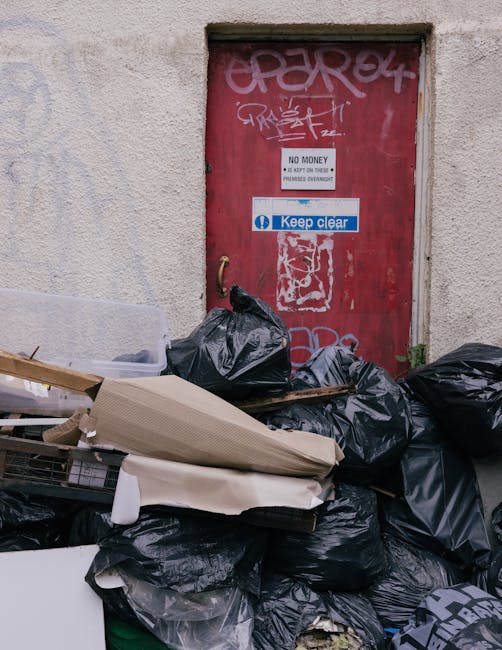
Commercial rubbish builds up quietly. A few broken chairs in the stockroom, old packaging behind the till, a dead printer in the corner, then suddenly the back office feels tighter than it should. If you run a shop or office in Paddington, dealing with that waste properly is not just about keeping things tidy. It affects safety, workflow, customer impression, and yes, your headspace too. Commercial Rubbish Solutions for Paddington Shops and Offices should make the job simpler, not add another chore to your week.
This guide breaks down how commercial rubbish removal works, what to look for, where businesses often go wrong, and how to choose a solution that suits the pace of a busy London location. It is written for real day-to-day conditions, not idealised ones. Because let's face it, Paddington premises do not always have generous storage, easy loading access, or time to spare.
Contents
- Why it matters
- How it works
- Key benefits
- Who it is for
- Step-by-step guidance
- Expert tips
- Common mistakes to avoid
- Tools, resources and recommendations
- Law, compliance and best practice
- Options and comparison
- Real-world example
- Practical checklist
- Conclusion
- Frequently asked questions
Why Commercial Rubbish Solutions for Paddington Shops and Offices Matters
Commercial waste is more than an inconvenience. In a shop, clutter can crowd the customer journey and make staff movement awkward. In an office, old boxes, redundant equipment, and furniture can eat into usable space that should be supporting productivity. In both settings, waste left too long can create trip hazards, smell unpleasant, attract pests, and create a poor impression the moment someone walks in.
Paddington adds its own pressure. Busy foot traffic, compact premises, shared entrances, delivery schedules, and limited on-street loading can all make rubbish management feel harder than it should. A good solution takes those realities into account. It should be predictable, discreet, and quick. Ideally, it should fit around trading hours rather than interrupt them.
There is also the reputational side. Customers often notice the back-of-house details even if they never say so. Staff do too. A tidy, well-managed workspace tends to feel calmer and more controlled. That matters, especially in businesses where first impressions carry real weight.
Expert summary: the best commercial rubbish solution is not simply the cheapest collection. It is the one that keeps your premises clear, your team safe, your operations moving, and your waste handled responsibly from start to finish.
How Commercial Rubbish Solutions for Paddington Shops and Offices Works
At a practical level, commercial rubbish solutions usually follow a simple pattern: assess, sort, remove, and dispose responsibly. The details vary depending on the type and volume of waste, but the process should feel straightforward from your side.
1. Initial assessment
A provider will typically want to understand what needs clearing. That may include office furniture, broken shelving, retail packaging, end-of-line stock, mixed rubbish, or heavier items such as filing cabinets and desks. If there are awkward access points, lifts, narrow stairwells, or timed loading windows, that should be discussed early. No one enjoys a surprise on collection day.
2. Planning the removal
Once the waste is identified, the job can be planned around your opening hours, building access, and any restrictions. For shops, this may mean early morning or after-closing collections. For offices, lunch-hour or end-of-day windows can work better. A sensible plan avoids unnecessary disruption and keeps staff out of the way.
3. Loading and sorting
On the day, the team removes the agreed items and separates them where possible. Reusable furniture, recyclable materials, and general waste may all be handled differently. That is one of the reasons professional clearance is so useful: the sorting happens at the right stage, not left as an afterthought in your corridor.
4. Responsible disposal
The final stage is transport and disposal. Some items may be directed toward recycling streams, while others go through waste facilities appropriate to their material type. If your business is trying to improve sustainability, this is where the difference between a basic removal and a better-managed service becomes obvious.
If you also have office furniture that is still usable, it may be worth exploring office clearance or the broader support available through business waste removal. For mixed unwanted items, a general waste removal service can be the more flexible option.
Key Benefits and Practical Advantages
There are several reasons businesses choose organised rubbish solutions instead of handling everything internally. Some are obvious. Others only become obvious once the waste has piled up, which is usually the less fun version.
- More usable space: Clear back rooms, stores, and office corners mean better circulation and less clutter.
- Improved safety: Fewer obstacles reduce trip hazards and manual-handling strain.
- Less staff time lost: Employees can focus on customers and operations rather than dragging out bulky waste.
- Better presentation: Tidy premises reflect well on the business, even in areas customers only pass briefly.
- More efficient fit-outs and refits: Clearance is especially useful before a refresh, refurbishment, or office reconfiguration.
- More predictable waste handling: You know what is being removed, when, and how it is being managed.
- Potential sustainability gains: Materials can often be sorted for recycling rather than simply mixed together.
There is a quieter benefit too: reduced mental clutter. Teams work better when the place around them feels under control. It sounds a little soft, maybe, but anyone who has tried to run a busy shop with cardboard stacked to shoulder height knows exactly what that feeling is like.
Who This Is For and When It Makes Sense
This type of service is useful for a broad range of Paddington businesses, but it is especially relevant when your rubbish is too bulky, awkward, or frequent to manage through ordinary day-to-day bins alone.
Shops and retail premises
Retail businesses often generate a mix of packaging, damaged display items, old stock, fixtures, and seasonal waste. If you are changing layouts regularly or managing product deliveries in a compact space, commercial rubbish solutions can stop the back room from becoming a second storage area in disguise.
Offices and co-working spaces
Offices tend to collect redundant desks, chairs, monitors, filing units, stationery waste, archive boxes, and old IT equipment. One team member might barely notice it building up. Then one Tuesday morning, there is nowhere to put the printer paper and three chairs no one wants. That is usually the moment people call for help.
Landlords, managing agents, and facilities teams
When you oversee a unit turnover or tenant move-out, rubbish can appear quickly and in odd forms. Mixed furniture, leftover packaging, and abandoned office items need removing with minimal fuss. In those moments, you want a service that behaves with a bit of discipline.
Businesses planning a change
If you are refurbishing, downsizing, consolidating, or taking over new premises, clearance becomes part of the project rather than an extra task. For larger refurbishment debris or strip-out waste, it can help to look at builders waste clearance as well, especially if the work is more than a simple tidy-out.
It also makes sense for businesses with bulky unwanted furniture. If the items are mostly desks, cabinets, shelving, or seating, you may want to compare the options for furniture clearance and furniture disposal.
Step-by-Step Guidance
If you are planning a clearance, keep the process simple. The more clearly you prepare, the smoother the day goes. Here is a sensible approach.
- Walk the site and identify everything to be removed. Separate general rubbish, furniture, cardboard, equipment, and anything sensitive.
- Check access. Note lifts, stairs, loading bays, restricted hours, and any entry codes or building rules.
- Flag fragile or confidential items. Paper records, computers, and items with data risk should be handled with extra care.
- Decide what stays and what goes. A labelled area can save a lot of confusion later.
- Ask for a clear scope. Make sure the provider knows the volume, type, and urgency of the job.
- Schedule the removal to suit operations. Early or late collections are often easier for shops and offices in busy streets.
- Confirm the disposal approach. If recycling, reuse, or responsible sorting matters to your business, say so upfront.
- Do a final sweep. A five-minute walk-through before the team leaves can catch forgotten items.
Small detail, big difference. A clean plan usually beats a rushed one, every time.
Expert Tips for Better Results
In our experience, the jobs that go smoothly tend to share the same habits. Nothing glamorous, just practical thinking.
Group items by type before collection
Keep cardboard together, metal together where possible, and bulky furniture in one zone. Even if the provider can sort on site, grouping items helps speed things up and reduces the chance of missing something.
Use a short internal sign-off process
If the office or shop has more than one decision-maker, get one person to approve the final removal list. It avoids the awkward moment where a useful filing cabinet disappears because two people assumed the other had said yes.
Think in terms of workflow, not just rubbish
Ask where waste is blocking work. Is it taking up storage that should be holding stock? Is it forcing staff to squeeze past it during busy periods? The answer usually points to the right clearance priority.
Choose timing carefully
Early collections can be ideal in Paddington, especially where foot traffic is heavy later in the day. If your building is loud, narrow, or shared, quieter hours can be kinder to tenants and neighbours.
Use sustainability as a filter
If your business already has recycling targets or wants to improve its waste habits, choose a provider that treats separation seriously. That does not mean perfect outcomes every time, but it should mean intention, care, and transparency.
For businesses that want a more structured approach to how materials are handled after collection, the page on recycling and sustainability is a useful place to understand the mindset behind better waste practice.
Common Mistakes to Avoid
A lot of waste problems are not caused by the rubbish itself. They come from how it was handled beforehand.
- Waiting too long: The longer waste sits around, the harder it is to move and the more disruptive it becomes.
- Mixing everything together: A random pile of items slows sorting and can make reuse or recycling more difficult.
- Forgetting access constraints: Narrow corridors, parking restrictions, and lift bookings matter more than people expect.
- Not separating confidential material: Paper files and old devices should never be treated casually.
- Using office staff for heavy lifting without planning: It can lead to avoidable strain or damage. Not worth it.
- Choosing based on price alone: The cheapest option is not always the cleanest, safest, or most reliable one.
- Failing to confirm what is included: If the job scope is vague, the results are often vague too.
A simple rule helps here: if you would not want the rubbish handling explained in vague terms, do not accept a vague quote. That is usually where trouble starts.
Tools, Resources and Recommendations
You do not need specialist software to manage commercial rubbish well, but a few low-tech tools make life easier.
Practical tools
- Labelled boxes or tape: Useful for separating keep, remove, recycle, and confidential items.
- Inventory checklist: Handy for office furniture, shelving, and equipment.
- Photo log: A few quick pictures help confirm the scope before collection.
- Floor plan notes: Useful if the waste is spread across more than one room or level.
- Booking calendar: Helpful for coordinating around trading hours and building access.
Recommended service pages to review
If your needs are more specific, it may help to compare the available service information on business waste removal, office clearance, and waste removal. For furniture-heavy clearances, the dedicated furniture pages are especially useful.
Useful internal policies to check
Before booking, some businesses like to review a provider's health and safety policy, insurance and safety information, and payment and security details. That is not being fussy. It is just good business sense.
Law, Compliance, Standards, or Best Practice
Commercial waste handling in the UK should always be treated carefully. The exact legal duties can depend on the type of waste, the premises, and the materials involved, so it is wise to work within accepted best practice and to ask questions when anything looks uncertain.
For most shops and offices, the practical basics are straightforward:
- Waste should be handled by a provider capable of dealing with commercial material appropriately.
- Confidential information should be protected, not left exposed in open bags or unsecured boxes.
- Potentially hazardous items should be identified before collection.
- Any recycling and reuse claims should be credible and not exaggerated.
- Staff should not be asked to carry unsafe loads or manage awkward items without a plan.
If your business handles electronics, archived records, or other sensitive material, build an extra check into the process. It is not just about tidiness. It is about risk management, reputation, and being able to explain what happened if anyone asks later.
For many businesses, a provider's public policies can also give useful reassurance. Pages such as terms and conditions, complaints procedure, and about us help you understand how the company works and how it treats customers. That sort of transparency matters.
Options, Methods, or Comparison Table
Different waste situations need different approaches. Here is a simple comparison to help you choose the right fit.
| Method | Best for | Strengths | Limitations |
|---|---|---|---|
| Ad hoc rubbish removal | Small, irregular waste build-up | Flexible and quick for one-off needs | Not ideal for repeated bulky items or larger clear-outs |
| Scheduled commercial waste collection | Regular waste streams | Predictable and easy to budget for | May be less suited to mixed bulky items or sudden clearances |
| One-off office or shop clearance | Refits, moves, downsizing, end-of-lease jobs | Removes multiple item types in one visit | Needs a clearer scope and access planning |
| Furniture-focused disposal | Desks, chairs, shelving, cabinets | Good for bulky, space-consuming items | May not cover mixed general rubbish as efficiently |
| Full business waste removal | Mixed commercial rubbish | Broad and practical for everyday business needs | May need extra planning for confidential or specialist items |
For a Paddington shop with stockroom clutter and old display units, a mixed clearance is often the most sensible route. For an office move, a combination of office clearance and furniture disposal can be the cleaner solution. Truth be told, the right method is usually the one that keeps the day simple.
Case Study or Real-World Example
Picture a small office near Paddington station, shared by a professional services team. Over the years, the space has accumulated three spare desks, a broken visitor chair, a stack of cardboard from equipment deliveries, and a filing unit nobody quite remembers ordering. Nothing dramatic. Just the usual quiet build-up.
Then the business decides to rework the layout so staff can collaborate more easily. Suddenly the old furniture is in the way. The team also wants to free up a side room that has become part storage, part graveyard for unused items. The fix is not complicated, but it does need coordination.
They sort the items into keep, remove, and review piles. The collection is booked outside the busiest hours. The clearance team removes the furniture, mixed rubbish, and packaging in one go. Afterward, the office feels open again, the side room becomes usable, and the new layout can actually happen. Not magic. Just the right sequence.
That sort of result is common when the job is planned properly. The interesting part is how quickly the atmosphere changes. People walk into the space the next morning and immediately feel the difference. Less clutter, less noise in the background, more room to breathe. Small thing, perhaps, but not really.
Practical Checklist
Use this checklist before booking a commercial rubbish solution for your Paddington shop or office.
- Identify what needs removing and what must stay.
- Separate furniture, packaging, general rubbish, and any confidential items.
- Check access, parking, lift use, and collection times.
- Confirm whether the job is one-off or part of a repeat need.
- Photograph the waste if the scope is difficult to describe.
- Ask about recycling, reuse, and disposal handling.
- Review insurance, safety, and service terms.
- Make sure staff know which areas are off-limits on collection day.
- Clear a path to the waste location.
- Do a final walk-through before the team leaves.
If you want to compare pricing and scope before deciding, the page on pricing and quotes can help you think through the decision more clearly.
Get a free quote today and see how much you can save.
Conclusion
Commercial rubbish solutions for Paddington shops and offices should feel practical, calm, and well-organised. When the process is handled properly, you gain more usable space, less disruption, and a better environment for staff and visitors. That matters whether you are clearing out a small retail back room, refreshing an office, or preparing for a bigger change.
The real win is not just getting rid of things. It is getting rid of them in a way that fits your business, your building, and your working day. If you plan ahead, ask the right questions, and choose a service that respects the realities of Paddington premises, the whole thing becomes much easier than people expect.
And honestly, once the clutter is gone and the floor is clear again, the place tends to feel lighter straight away. That's a good feeling.
Frequently Asked Questions
What counts as commercial rubbish in a shop or office?
Commercial rubbish can include broken furniture, packaging, cardboard, old stock, office chairs, filing cabinets, damaged displays, and general mixed waste generated through business activity.
How is commercial rubbish different from normal household waste?
Commercial waste usually comes in larger volumes, contains bulkier items, and often needs different handling because it is tied to business operations rather than domestic use.
Can office furniture be removed in one visit?
Yes, in many cases it can. If the access is clear and the scope is agreed in advance, desks, chairs, cabinets, and similar items are often collected together.
Do I need to sort everything before collection?
You do not always need to do a full sort, but separating obvious categories such as furniture, cardboard, and confidential items makes the job quicker and safer.
What if my Paddington office has narrow stairs or limited access?
That is very common in London. It is best to explain the access details early so the removal can be planned properly and the team arrives prepared.
Is recycling possible for commercial rubbish?
Often, yes. Many materials can be separated for recycling or reuse depending on what they are and how they are presented for collection.
How do I know if I need office clearance or general business waste removal?
If you are removing bulky office items or clearing a workspace, office clearance may be the better fit. If the waste is mixed and ongoing, business waste removal may suit you better.
Can a clearance be arranged outside normal business hours?
It often can, and for shops or offices in busy areas that may be the most practical choice. Early morning or after-hours collection can reduce disruption.
What should I do with old documents or sensitive files?
Keep them separate from general waste and make sure they are treated securely. Confidential material should never be left in an open mixed pile.
How far in advance should I book a commercial rubbish collection?
That depends on the size and urgency of the job, but giving a little notice usually helps with access planning and scheduling around trading hours.
Can commercial rubbish removal help before a refit or move?
Absolutely. It is often one of the best times to clear out furniture, packaging, and items that no longer fit the new layout or setup.
What makes a good commercial rubbish solution for Paddington businesses?
A good solution is prompt, discreet, safe, and clear about what will be removed. It should fit your building, your timing, and your working routine without making life harder.