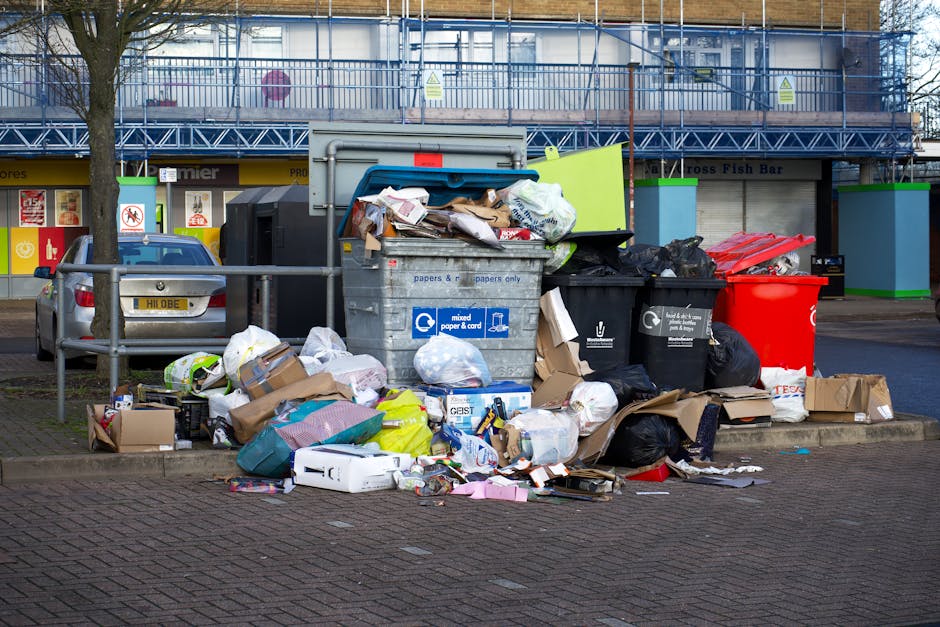
Affordable Bulky Waste Collection on Praed Street, Paddington
If you live or work near Praed Street in Paddington, bulky items can become a nuisance very quickly. A sofa left in a hallway, a broken wardrobe taking up half a flat, or an old office desk that nobody wants to carry downstairs - it all adds stress. Affordable Bulky Waste Collection on Praed Street, Paddington is about more than just getting rid of things. It is about doing it quickly, safely, and without paying over the odds for a job that should feel straightforward.
In a busy part of West London, space is precious and access can be tight. That means the best bulky waste collection service is one that understands local realities: narrow stairwells, loading concerns, time pressure, and the need to keep disruption low. This guide walks through how the service works, what to expect, how to compare options, and how to avoid common mistakes. If you are trying to clear a flat, office, garage, or just one awkward item, you are in the right place.
Practical tip: most people only need a little planning to make the job cheaper and smoother. A few minutes of preparation can save a surprising amount of hassle. Sounds obvious, but it is often the bit people skip.
Why Affordable Bulky Waste Collection on Praed Street, Paddington Matters
Bulky waste is anything too large, awkward, or heavy for normal bin collections. Think beds, wardrobes, mattresses, tables, broken appliances, garden items, or a stack of office furniture after a move. On Praed Street, where flats, managed buildings, hotels, and commercial spaces sit close together, that kind of waste cannot just be left lying around. It needs to be removed properly, and ideally without draining your budget.
To be fair, the word affordable means different things to different people. For some, it means the lowest price possible. For others, it means value: a fair fee, reliable timing, careful lifting, proper disposal, and no unexpected add-ons. In practice, the best affordable service is one that saves money in the right places - fewer trips, less damage, less time wasted, and fewer surprises.
There is also a space issue. In dense London areas, clutter builds up faster than you think. One unused sofa in a one-bedroom flat can make a room feel cramped and slightly chaotic. A few bulky items in a basement or rear yard can create access problems for cleaning, decorating, or letting agents. So yes, cost matters. But so does getting the space back.
Bulky waste collection also matters for safety. Heavy items can injure you if you try to move them without the right help. Scraped walls, broken glass, trapped fingers, and lifting injuries are not exactly the memory you want from a simple clear-out. A sensible collection service reduces that risk while keeping the process efficient.
Key takeaway: the cheapest-looking option is not always the most affordable in the real sense. The right bulky waste collection job is the one that clears everything properly, safely, and with minimal disruption.
How Affordable Bulky Waste Collection on Praed Street, Paddington Works
Most bulky waste removals follow a similar pattern, even if the details vary from one provider to another. Usually, you start with a description of the items, then the provider gives an estimate based on volume, weight, access, labour, and disposal requirements. Once booked, the team arrives, loads the items, and takes them away for sorting, reuse, recycling, or responsible disposal.
What makes the process feel affordable is often preparation. If you know exactly what needs clearing, where it is located, and whether there are stairs, lifts, parking limits, or timing restrictions, the collection can usually be planned more accurately. That matters in Praed Street and the surrounding Paddington area, where access can be the deciding factor between a smooth job and a messy one.
In many cases, bulky waste is collected alongside other clearance work. For example, a tenant leaving a flat may need furniture clearance plus a few black bags of odds and ends. A small business may want office clearance, broken shelving removed, and a couple of old filing cabinets taken away. When several items are dealt with in one visit, the overall value usually improves.
If you are also dealing with larger clearances beyond one or two items, related services such as flat clearance, house clearance, or office clearance may be more suitable than a simple single-item pickup. That is one of those details that sounds minor until you need it. Then it matters a lot.
Here is the practical flow most people experience:
- You identify the bulky items and note any access issues.
- You request a quote or estimate.
- You agree a collection time that works for your schedule.
- The team arrives, confirms the load, and removes the items.
- The waste is sorted for reuse, recycling, or disposal.
Sometimes a same-day or next-day arrangement is possible, but that depends on availability and the size of the job. If timing is tight, say so early. People often wait until the last minute and then wonder why everything feels rushed. Truth be told, rubbish is rarely as cooperative as we would like.
Key Benefits and Practical Advantages
A good bulky waste collection service gives you more than an empty room. It gives you speed, convenience, and peace of mind. That combination is why people use it for home, rental, and business settings across Paddington.
- Less physical strain: heavy furniture and appliances are awkward to move, especially through stairs or narrow doorways.
- Faster room recovery: a clear space is easier to clean, decorate, rent, or use productively.
- More predictable costs: a clear quote can be easier to budget for than organising your own transport, labour, and disposal.
- Better handling of mixed waste: trained crews can separate reusable items from recyclables and general waste.
- Lower disruption: one efficient collection can be less stressful than trying to manage several trips yourself.
There is a quiet benefit too: decision fatigue drops. Once the clutter is gone, you stop thinking about it every time you walk past. That may sound a bit dramatic, but anyone who has lived around a blocked hallway or piled-up spare room knows exactly what I mean.
For landlords, letting agents, and small business owners, the benefit is even clearer. Unused bulky waste can create delays between tenancies, affect presentation, and make ongoing maintenance harder. A clean handover matters. A lot.
Who This Is For and When It Makes Sense
This service is useful for a wide range of people, not just households doing a big spring clean. In fact, some of the most common requests come from people who simply need one or two large items removed without hassle.
It often makes sense if you are:
- moving out of a flat near Praed Street and need to leave it tidy
- replacing old furniture after a refit or renovation
- clearing a spare room, loft, garage, or storage area
- managing waste from a small office move or refurbishment
- preparing a rental property for new occupants
- dealing with bulky items that are too heavy or awkward for standard bin collections
It also helps when your own time is more valuable than trying to organise a van, borrow equipment, and make multiple trips. Let's face it, most people do not enjoy that kind of weekend. The idea sounds manageable until you are halfway through carrying a wardrobe into a narrow lift and suddenly thinking, maybe I should have called someone.
Families often use bulky waste collection after a clear-out or redecorating. Businesses use it when upgrading furniture, removing old stock fixtures, or tidying back-of-house areas. Property managers use it between tenancies. And sometimes people just want the old sofa gone because it has become an accidental clothes rack. We have all seen that happen.
Step-by-Step Guidance
If you want the process to be smooth and affordable, the best approach is to prepare properly before collection day. A little structure goes a long way.
1. Make a clear list of what needs removing
Walk through the space and note every bulky item. Be specific. A "wardrobe" is useful, but "three-door wardrobe with mirrored panels" is better. Include mattresses, chairs, desks, white goods, broken shelving, or anything else that needs taking away. If you are unsure whether something counts as bulky waste, ask before booking.
2. Separate what stays from what goes
It sounds obvious, but cluttered rooms can blur the line between rubbish and keepers. Put valuables, documents, chargers, and sentimental items somewhere safe first. One small labelled box for important bits can save a lot of grief later. You do not want an accidental "clear out" of the wrong drawer.
3. Check access carefully
Measure doorways, hallways, stair bends, and lift sizes if the item is large. Also think about parking, loading bays, and any time restrictions in the building. Praed Street can be busy, so these details matter more than people expect. A quick note about access can prevent delays and extra labour.
4. Ask for a transparent quote
Affordable should mean clear. Ask how the quote is calculated: by volume, item count, weight, labour time, or a combination. Find out whether stairs, heavy lifting, or awkward access changes the price. If a quote sounds unusually low, check the fine print. The hidden extras are where many cheap jobs become expensive ones.
5. Choose a time that reduces disruption
If you are in a shared building, choose a collection window that works for neighbours, porters, or building management. Morning slots can be useful when lifts and corridors are quieter. In office settings, off-peak times may avoid frustrating staff. A calm collection is usually a cheaper one too, simply because everything goes faster.
6. Prepare items for easy removal
If safe to do so, detach loose parts, remove cushions, empty drawers, and clear fragile objects from around the item. Do not force anything dangerous, though. Safety first. Nobody wins by wrestling a rusty filing cabinet in the hallway.
7. Confirm responsible disposal
Ask what happens after collection. Good operators will sort items for reuse, recycling, or appropriate disposal. This is where a service starts to feel genuinely professional rather than just convenient.
Expert Tips for Better Results
After enough clearances, patterns become obvious. The jobs that go well are usually the jobs that were planned just enough - not over-engineered, not chaotic. Somewhere in the middle.
- Group items by location: if things are spread across a flat, label each room or stack them neatly so removal is quicker.
- Be honest about item size: underestimating a large wardrobe or sofa often creates pricing friction later.
- Leave a clear path: open corridors, secure pets, and move small obstacles out of the way.
- Ask about mixed loads: combining furniture, general bulky waste, and a few extra items can sometimes be more efficient than booking separately.
- Think in terms of total value: a slightly higher quote may still be better if it includes careful handling and responsible sorting.
One useful habit is to take a few photos before booking. Nothing fancy - just enough to show the item size, the room layout, and the access route. That tiny step can make quoting more accurate and reduce misunderstandings. I know, it feels a bit like over-documenting a sofa. But it works.
Another tip: if you are clearing a property in stages, do the bulky items first. Once the big stuff is gone, everything else becomes easier to organise. The room suddenly breathes again.
Common Mistakes to Avoid
Most problems come from a handful of avoidable mistakes. Nothing dramatic, just the kind of thing that turns a simple collection into a long afternoon.
- Leaving booking until the last minute: rushed arrangements often cost more and limit your options.
- Not checking access: if the team cannot safely remove an item, the job can take longer than expected.
- Forgetting about restricted items: some materials need special handling, so always ask in advance if you are unsure.
- Mixing keep, donate, and dispose piles: this slows the job down and increases the chance of mistakes.
- Choosing solely on price: the cheapest quote may exclude important labour or disposal costs.
A subtle one: people sometimes assume every large item can be handled in exactly the same way. Not quite. A damaged mattress, a heavy solid-wood wardrobe, and a broken appliance all present different handling and disposal considerations. That is why a proper assessment matters.
Another common slip is overestimating what you can do yourself. If an item is awkward, fragile, or simply too heavy, DIY removal can become more expensive in time and repair bills than a collection service would have been. Not glamorous, but true.
Tools, Resources and Recommendations
You do not need specialist equipment for every job, but a few practical tools can help if you are preparing for bulky waste collection.
- Tape measure: useful for checking whether items will fit through doorways and lifts.
- Marker labels or sticky notes: helpful when separating items to keep, donate, or remove.
- Camera phone: simple photos help with quotes and access planning.
- Gloves and sturdy shoes: sensible if you are moving smaller objects before the collection team arrives.
- Bin bags or boxes: useful for loose items, screws, manuals, or small accessories.
If you are dealing with wider clearance work, related services like furniture disposal, furniture clearance, home clearance, or waste removal may be useful depending on the mix of items. For storage areas or one-off overflow, garage clearance and loft clearance can also be practical options.
For businesses and landlords, broader links between services can help streamline planning. If your bulky waste is part of a larger office refresh, business waste removal may be more appropriate than booking item-by-item collections. If you are also handling outdoor debris, garden clearance could be relevant too.
The best recommendation? Keep a short written list of the items, the floor level, and any access notes. That simple sheet often saves more time than a long phone call.
Law, Compliance, Standards, or Best Practice
Bulky waste collection should be handled responsibly. In the UK, waste must be transported and disposed of in a lawful way, and professional providers are expected to follow good environmental and safety practice. Without getting lost in jargon, that means you should expect careful handling, proper disposal routes, and sensible traceability for the waste taken away.
For the customer, best practice usually means asking a few direct questions before you book:
- How will the items be handled after collection?
- Are reusable items separated from general waste?
- How are heavy or awkward items lifted safely?
- Is the service insured and prepared for access issues?
- What happens if the load is larger than expected?
These are not awkward questions. They are sensible ones. A decent provider should be able to answer them clearly.
Safety matters in practical ways too. If someone is carrying furniture down stairs or navigating tight corridors, lifting technique, team coordination, and protecting walls or flooring all matter. This is where an experienced crew earns its keep. And yes, a hallway with scuffed paint and a chipped skirting board can take the shine off an otherwise simple clear-out very quickly.
If you are comparing providers, it also helps to review pages such as insurance and safety, health and safety policy, recycling and sustainability, and payment and security. Those pages can give you a better sense of how the business handles trust, safety, and process.
Options, Methods, or Comparison Table
There is more than one way to remove bulky waste. The right option depends on the size of the load, access conditions, timing, and how much convenience you want.
| Option | Best for | Pros | Trade-offs |
|---|---|---|---|
| Single-item collection | One sofa, bed, wardrobe, or appliance | Simple, quick, usually cost-effective for one item | Less efficient if you have several bulky items |
| Mixed bulky waste collection | Several items from one room or property | Good value when combining loads | Needs clearer pre-booking and sorting |
| Full room or property clearance | Moves, probate, refurbishments, end-of-tenancy jobs | Most convenient for larger clear-outs | Usually more planning involved |
| DIY disposal | Small amounts, easy access, own transport available | Can work for light loads | Time-consuming, tiring, and not ideal for heavy items |
In practice, the best value often comes from combining similar items into one visit. If you have two or three bulky objects plus smaller waste, a single coordinated collection can be more efficient than multiple isolated pickups. It is the sort of thing that feels obvious after the fact.
Case Study or Real-World Example
A small property near Praed Street needed a quick clear-out before a tenancy change. The main items were a double mattress, a wardrobe, a desk, and several bags of miscellaneous waste that had accumulated in one room. The challenge was not the quantity so much as the access: a narrow stairwell, a tight landing, and limited time between occupiers.
The resident first separated items to keep from items to remove, then took photos of each bulky item and the staircase. That made it easier to estimate the load and plan the collection. On the day, the team could move through the property without stopping to make decisions every minute. The result was a faster job, less disruption to neighbours, and a cleaner handover.
What made the collection affordable was not just the quote. It was the way the job was prepared. No confusion. No repeated lifting. No last-minute hunting for missing items. In real life, that kind of smoothness matters more than people expect.
Another example: a small office refresh with old desks, chairs, and storage units. Because the items were grouped by floor and the team knew the access details, the removal could be handled in a single coordinated visit. That kind of planning often saves money and time at the same time. Rare but lovely when it happens.
Practical Checklist
Use this checklist before your bulky waste collection appointment. It keeps things neat and lowers the chances of a snag.
- List every item that needs removing.
- Separate keep items from waste items.
- Measure any oversized furniture if access is tight.
- Check stairs, lifts, parking, and loading access.
- Take photos if the load is awkward or mixed.
- Ask how the quote is calculated.
- Confirm the collection time and any building rules.
- Clear the route to the items where possible.
- Set aside anything fragile, valuable, or personal.
- Ask what happens to reusable and recyclable items.
Quick summary: good preparation is the easiest way to keep bulky waste collection affordable. The more clearly the job is described, the less room there is for confusion. Simple, really.
Get a free quote today and see how much you can save.
Conclusion
Affordable Bulky Waste Collection on Praed Street, Paddington is not just about getting rid of old furniture or awkward items. It is about making the process calm, efficient, and fairly priced for the reality of London living. If you choose a service that is clear about pricing, careful with access, and sensible about disposal, the whole job becomes much easier than people expect.
Whether you are clearing one heavy item or dealing with a full room of bulky waste, the main thing is to keep the process practical. Know what needs removing, prepare the space, ask direct questions, and choose value over false economy. That combination usually gives the best outcome.
And once the clutter is gone? The room feels bigger, the air feels lighter, and the job that kept niggling at you is finally off the list. That is a good feeling. A proper one.
Frequently Asked Questions
What counts as bulky waste on Praed Street, Paddington?
Bulky waste usually includes items too large for normal household bins, such as sofas, beds, mattresses, wardrobes, desks, tables, white goods, and large broken household items. If you are unsure, it is best to describe the item clearly before booking.
How can I keep bulky waste collection affordable?
Prepare the items in advance, group them together, provide accurate photos or descriptions, and check access details early. The clearer the job, the easier it is to quote fairly and avoid avoidable add-ons.
Is same-day bulky waste collection possible?
Sometimes, yes. It depends on availability, the size of the load, and access conditions. If you need a quick collection, mention that as early as possible so the schedule can be assessed properly.
Can I combine furniture disposal with other waste removal?
Yes, in many cases you can combine furniture with other bulky items or general clearance work. That is often more efficient than booking separate visits, especially if everything is coming from the same property.
What if I live in a flat with difficult access?
That is very common in Paddington. Let the provider know about stairs, lifts, narrow hallways, or loading restrictions in advance. Access information helps avoid delays and makes pricing more accurate.
Do I need to move the items outside before collection?
Not always. Some services collect from inside the property, which is often easier and safer for heavy or awkward items. If you can safely clear the route, that helps, but you should not risk injury just to save time.
What happens to the items after collection?
Good practice is to sort items for reuse, recycling, or appropriate disposal. Some furniture can be reused or broken down for material recovery, while damaged or unsuitable items may need different handling.
How do I know if a quote is fair?
A fair quote should be clear about what is included, how the load is assessed, and whether access, labour, or disposal are part of the price. If anything feels vague, ask for clarification before agreeing.
Can businesses use bulky waste collection too?
Absolutely. Offices, shops, landlords, and managed buildings often need bulky waste removed during refurbishments, move-outs, or routine clear-outs. In those cases, business waste removal may be the better fit.
Are bulky waste collections suitable for one item only?
Yes. A single sofa, mattress, or appliance is a very common booking. In fact, a one-item collection is often the simplest way to get a difficult object removed without hassle.
What should I do before the collection team arrives?
Make sure the items are identified, the path is clear, pets are secured, and any valuables or personal documents are removed. A few minutes of prep usually makes the whole visit quicker and smoother.
Why choose a local Paddington service instead of doing it myself?
A local service can handle the lifting, access challenges, and disposal in one go. If you are short on time or dealing with heavy items, that convenience often outweighs the effort of arranging your own transport.